Welcoming Immigrant Families to the Neighborhood
How to welcome newcomer and immigrant families: practical welcome kits, civic navigation, library resources, and spoken hospitality.
- Practical, tangible welcome kits. Providing visual local maps, recycling guides, transit schedules, and library info eliminates initial orientation stress.
- Public libraries as core anchor spaces. Introducing newcomers to free library resources, language classes, and safe community spaces fosters long-term belonging.
- Doorstep spoken hospitality. Two-way speech translation turns intimidating front-porch introductions into lasting intercultural friendships.
The Power of a Warm Neighborhood Welcome
Moving to a new country or city is an overwhelming experience. Newcomer families face not only the logistical challenges of housing and employment but also the profound emotional isolation of navigating an unfamiliar language, subtle cultural norms, and complex civic routines.
Sociological research on community integration demonstrates that early, positive neighborly micro-interactions drastically reduce settlement anxiety and prevent the long-term social isolation that often traps immigrant families in separate enclaves.
A simple, friendly doorstep welcome with practical local guidance creates an immediate sense of safety, belonging, and mutual trust that lasts for years.
Spoken Welcome at the Front Door
Greeting new neighbors and sharing local resources in their native language breaks the ice instantly and demonstrates sincere hospitality.
Bilingual Audio Comparison
Listen to the natural spoken phrasing in both languages:
“Here is a guide to the local library, recycling rules, and free language classes in the district.”
“Dziękuję z całego serca. Ta pomoc na początku jest dla naszej rodziny nieoceniona.”
Spoken two-way translation allows new neighbors to express gratitude, ask clarifying questions about local amenities, and share their contact information comfortably.
The Complete Neighborhood Welcome Kit Checklist
Assemble these practical, high-value resources to help newly arrived neighbors orient themselves quickly:
| Resource Category | Recommended Items | Why It Matters |
|---|---|---|
| 1. Local Navigation | Walking map to nearest grocery store, pharmacy, bus stops, and parks. | Builds immediate geographic independence without needing a car. |
| 2. Municipal Rules | Visual trash vs. recycling calendar, street parking rules, and quiet hours. | Prevents misunderstandings and avoid municipal parking/waste fines. |
| 3. Civic & Educational | Library card signup forms, community center schedules, and free ESL classes. | Connects parents and kids to safe, free community enrichment. |
| 4. Neighbor Contacts | Phone numbers of 2–3 friendly neighbors willing to answer quick questions. | Provides an immediate safety net for emergencies or advice. |
Fullscreen Translation for Clear Porch Conversations
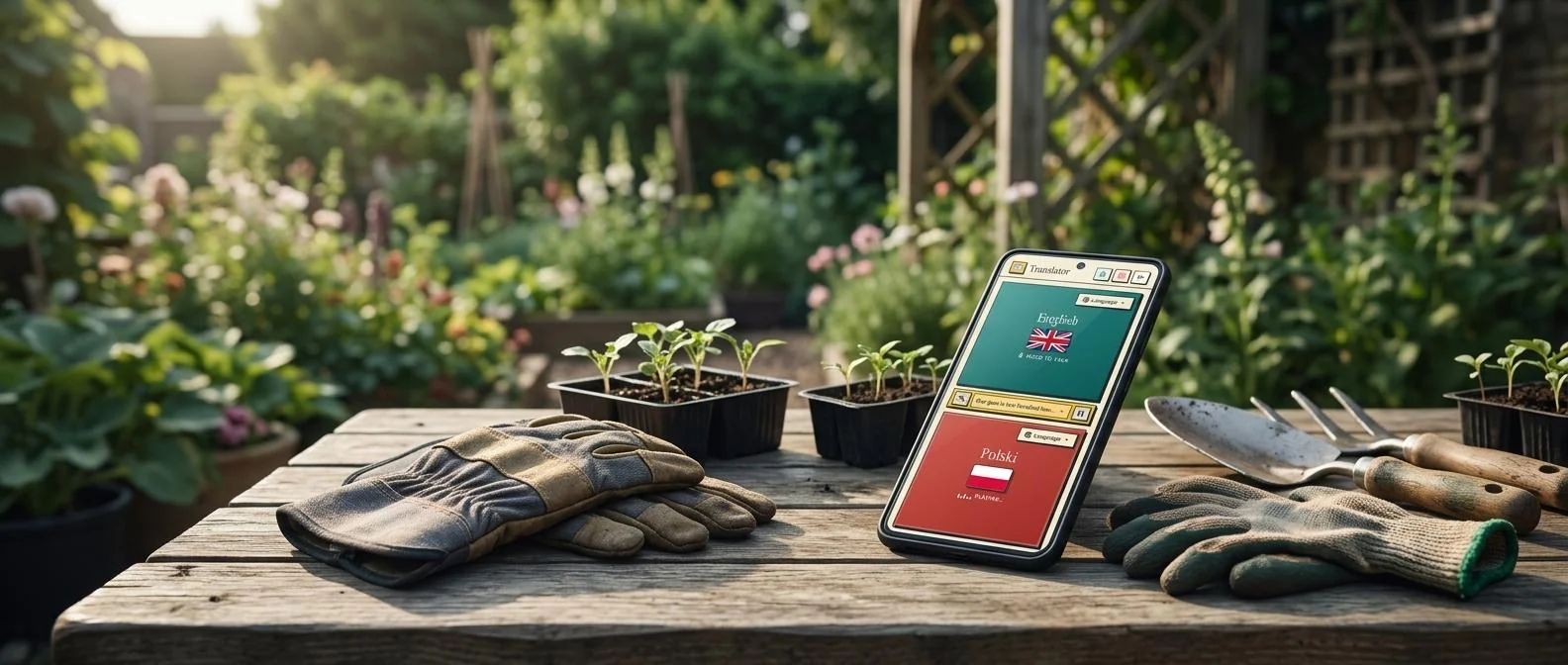
Voice Translator includes a high-contrast fullscreen display mode, making it simple to show translated addresses, library hours, and contact details across the doorstep.

3 Golden Rules for Neighborly Inclusion
Keep these principles in mind when supporting newcomer families:
- Lead with Warmth, Not Rules: Never open a relationship with neighborhood complaints about lawn care or trash bins. Lead with a welcoming gift (like baked goods, fruit, or flowers) and genuine friendship first.
- Connect Them to the Local Library:Walk with them to the local public branch to help them get library cards, discover children's storytimes, and access free public computers.
- Invite to Casual Events: Invite them to neighborhood block parties, garden days, or school sports games where low-pressure activities make connecting easy.
For more details on building inclusive neighborhood groups, check out our pillar article on building multilingual communities and neighborhood groups.
Extend a warm, genuine welcome in any language. Pallie makes neighborly conversations effortless.
Open Pallie Translator