Building Multilingual Communities and Groups
How to build inclusive neighborhood groups, bridge linguistic silos, create vibrant third spaces, and practice authentic language justice.
- Moving from language access to language justice. True inclusion designs spaces where all languages hold equal validity, rather than treating non-English speakers as guests requiring accommodation.
- Activating 'weak ties' to fight micro-segregation. Casual neighborly connections across cultural groups bridge isolated enclaves and unlock shared local resources and civic power.
- Shared third spaces build social cohesion. Community gardens, libraries, and maker spaces provide tactile, low-stress environments where practical collaboration builds authentic trust.
The Challenge of Micro-Segregation in Diverse Neighborhoods
Many modern neighborhoods are statistically diverse on paper, yet residents remain physically and socially isolated into separate cultural silos. Sociologists refer to this as "micro-level segregation"—a pattern where people live on the same street but never interact due to language gaps and institutional barriers.
Overcoming this divide requires transitioning from simple "language access" (transactional compliance) to authentic Language Justice—the intentional creation of community spaces where everyone has the right to speak, be heard, and lead in their native language.
Language is not a deficit to be accommodated; it is an integral pillar of human dignity, culture, and collective civic intelligence.
Spoken Invitation at a Neighborhood Project
Inviting neighbors to participate in shared community initiatives requires warm, natural dialogue that welcomes everyone as an equal contributor.
Bilingual Audio Comparison
Listen to the natural spoken phrasing in both languages:
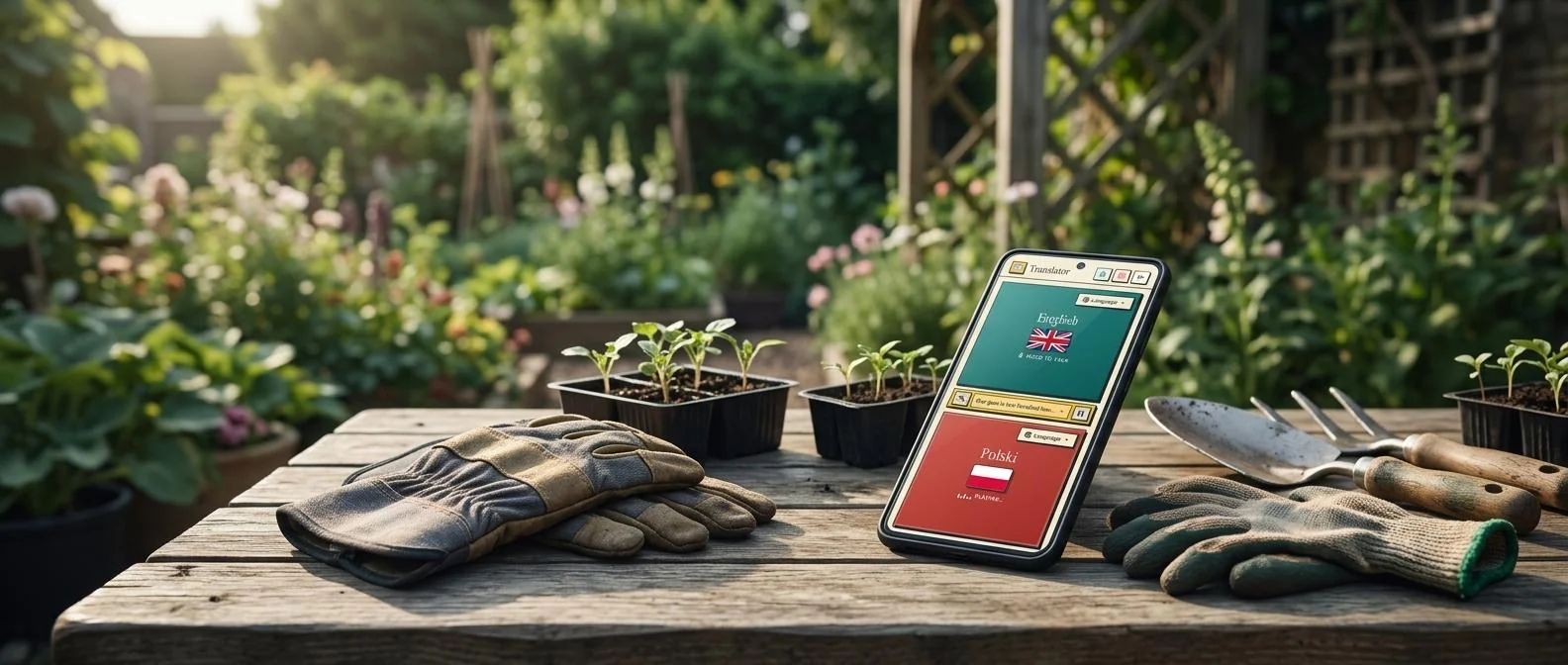
“We're organizing a community garden day this Saturday. Everyone in the neighborhood is welcome.”
“Wspaniała inicjatywa! Chętnie przyniosę własne narzędzia ogrodnicze i pomogę przy sadzeniu.”
Instant spoken translation transforms a passing sidewalk greeting into an active volunteer partnership, building local civic muscle.
Language Access vs. Language Justice: A Practical Comparison
Understanding this structural distinction transforms how neighborhood associations, churches, and volunteer groups organize meetings.
Transactional Language Access
- English remains the dominant "official" language.
- Translated handouts provided as a post-meeting afterthought.
- Non-English speakers remain passive audience members.
- Hierarchical: host accommodates the minoritized guest.
Horizontal Language Justice
- All languages hold equal standing and organizational validity.
- Simultaneous interpretation & voice translation from minute one.
- All residents can pitch ideas, debate, and vote in native tongue.
- Horizontal: co-creation and mutual power sharing.
Live Group Translation with Voice Translator
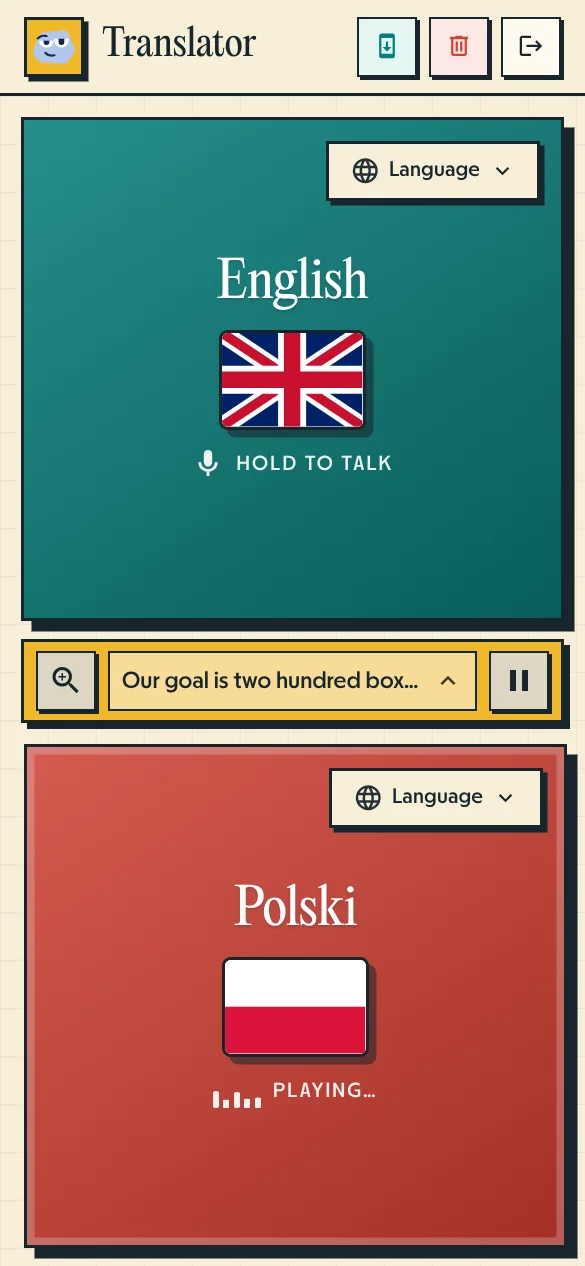
Voice Translator enables real-time, speech-to-speech dialogue during neighborhood stand-ups, garden planting days, and community committee meetings.
The 4 Pillars of Multilingual Community Organizing
Implement these four strategies to foster lasting social cohesion across language divides:
- Activate 'Third Spaces': Organize events in neutral public spaces like community gardens, parks, and libraries where hands-on activities lower conversational stakes.
- Cultivate 'Weak Ties': Build casual, friendly connections across cultural groups to share local resources, job leads, and mutual aid.
- Democratize Meeting Formats: Use visual voting cards, pictorial timelines, and speech translation to ensure everyone can participate regardless of language literacy.
- Organize Structured Mutual Aid: Establish reciprocal neighborhood support networks where everyone contributes skills and aid. Read our guide on organizing multilingual mutual aid projects.
To learn how to welcome newly arrived immigrant families into your block or parish, explore our resource on welcoming immigrant families into neighborhood life.
Bring neighbors together across any language barrier. Pallie enables real-time spoken community conversations.
Open Pallie Translator